If this were an odd-numbered year like 2027, Montana state legislators would now be gathered at the Capitol to discuss, amend, and pass a two-year state budget and new laws and regulations.
But since it’s 2026, a non-legislative year, you might be wondering what we legislators do during these periods. You may think we get a cushy deal of time off with pay. Nope. This interim period keeps many of us busy with interim committees, constituent services, and community meetings.
Most of this work is volunteer and on our own dime, except for the official interim policy and budget committee meetings at the Capitol, but these are only for legislators assigned to those groups. I recently received a $128 pay stub for serving as assigned on the Local Government Interim Committee on Jan. 22.
But when I attend legislative committee meetings on my own, like the recent Water Policy Committee gathering, it’s without pay. At this meeting I hoped to learn how to help residents of three housing developments in eastern Lewis & Clark County, including part of Red Fox Meadows, who find themselves without water rights due to no fault of their own.
Their homes – the largest purchase of their lives, into which they have sunk every penny – may now be at risk. One resident asked me whether he and his wife can get a property tax break during this property tax appraisal cycle because, with no water rights, their home probably may be worth less than its most recent Department of Revenue appraisal.
It’s a great idea, but unfortunately, the Department told me no, as they never consider water rights in appraisals. In the next session, I might look at a property tax exemption or partial exemption for the folks caught in this water rights limbo. We should legislate to grandfather them in in perpetuity for their wells – and give them a tax break for this in-between time.
I consider constituent work my community service during the off year and do my best to be an accessible advocate. Our community’s needs don’t disappear just because the Legislature is out of session. During the pandemic, I was able to connect countless people to the help they needed, including small business owners struggling to get COVID relief funds and furloughed workers seeking unemployment payments. Remember how many folks couldn’t work because of their health or because their place of employment had closed?
More recently, I was able to help a terminally ill woman get the lifesaving medicine she needed after she had been inadvertently disenrolled from Medicaid. Her caregiver called me on a Thursday evening, and by close of business Friday, State Rep. Mary Caferro and I had cut through the red tape, worked with a couple of helpful state employees, and provided the woman her medicine. She could not have made it through the weekend without great risk to her health.
When young people call me, I do my best to drop everything. I’ve spoken to school classes from high school to college and been interviewed by students for school projects. I attend community gatherings like the weekly “Hometown Helena” at Helena College and the Helena Area Chamber of Commerce’s monthly “Coffee with the Chamber” at East Helena’s Galaxy Coffee.
My compensation is the good feeling of giving back, being involved, and helping others. Plus, what I learn will inform my work in the 70th legislative session next year. As I write this, I just returned from a Montana Nonprofit Association presentation on budget challenges due to federal funding cuts, donor reductions, and an unclear future for their clients and staff.
How, for example, will a projected state revenue debt of $250 million impact Montanans in 2027 and beyond? It could put essential public services at risk – which means it’s certainly something to work on heading towards next year’s legislative session.
At that nonprofit meeting, I spoke to the York Volunteer Fire Department chief who asked me for legislation to pay volunteer departments for responding to wildfires. The Chief said he and his team of volunteers only want enough to cover expenses like vehicle fuel.
Volunteer fire departments do already receive some compensation whenever they fight a wildfire for more than 24 hours. Yet they receive none during that first day, when they’re usually the first to respond, assess, and fight the fire. State and federal incident responders usually come later, if the fire continues to grow.
Oftentimes, our volunteer firefighters put out the blaze themselves before it spreads, preventing thousands, if not millions of dollars in damage, and saving priceless lives. All they get is the joy of helping others. The state of Montana should add a few bucks to that joy.
It’s the least we can do for our brave volunteer firefighters who leave their nice warm beds at night, kids’ sports games, or day jobs to respond to the call. I’m starting work now on a bill for the 2027 session and hope to partner with another legislator who’s a firefighter.
In this “off” year, I’ll write letters of support on my senate letterhead for funding grants for community programs, such as the federal grant for suicide prevention in Lewis & Clark County. And I communicate with constituents by writing columns like this in our new community newspaper, The East Helena Monitor (Shout-out to the paper for this opportunity).
Please consider this a warm invitation to contact me, regardless of your political views. This is about the Montana way of people helping people. Let me know what’s on your mind, any problem you need help with, or a legislative suggestion.
Most of the bills I introduce actually come from constituents I talk to when I’m campaigning and knocking on doors. Last session, I sponsored bills to reduce residential property taxes, put parameters around neighborhood group homes, and improve the renter move-out process.
So, if you see me at a meeting, please come up and introduce yourself. Or feel free to contact me at 406/461-5358 or MaryAnn.Dunwell@LegMt.Gov. I’m your state senator, at your service.
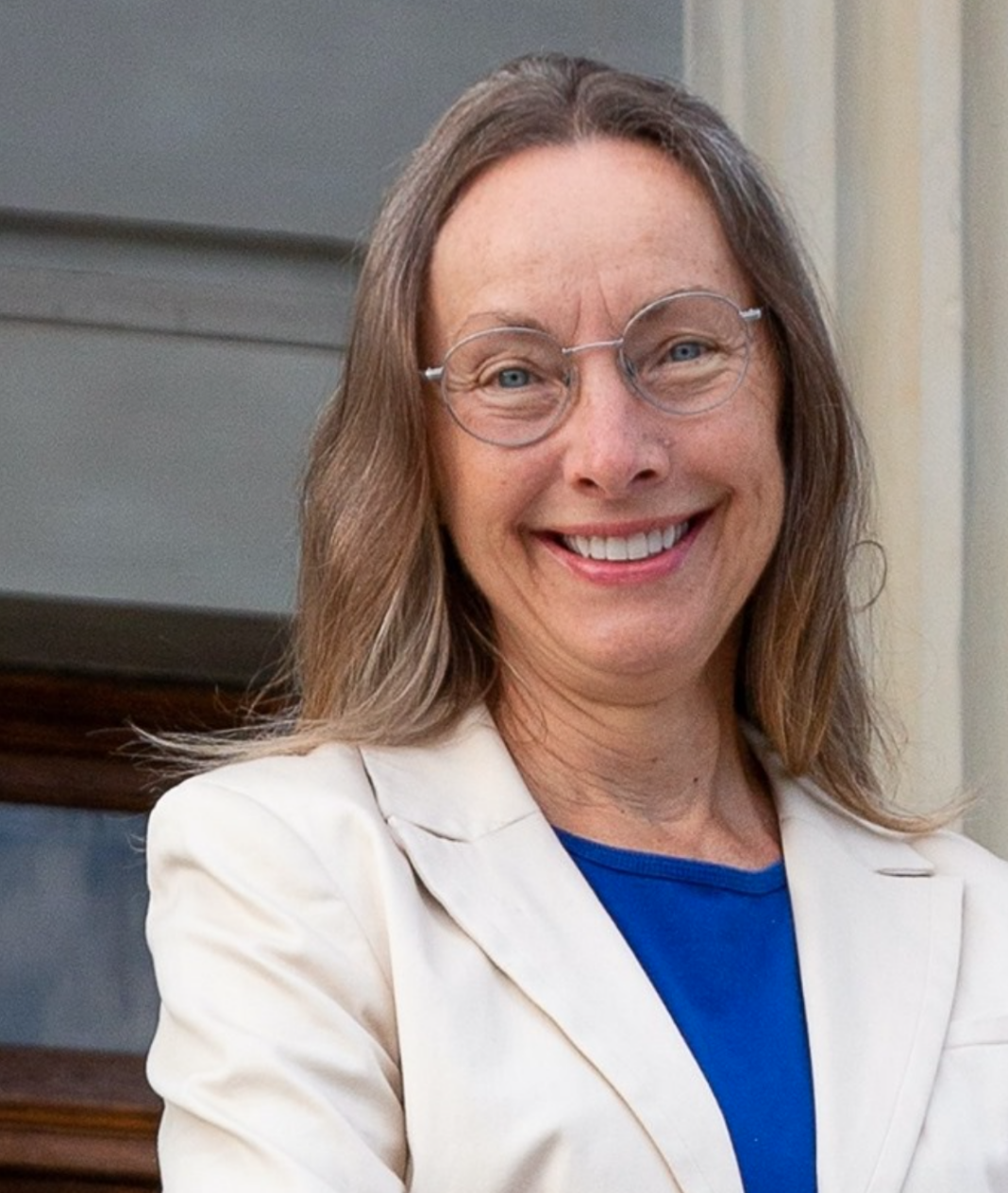
Mary Ann Dunwell is a Montana state senator representing East Helena and surrounding area.