




Montana is at a turning point. Communities across our state are grappling with the dual challenge of supporting a growing population while protecting the natural resources that define who we are. Some say we must choose between housing and water. Between building for people and preserving land. Between the needs of today and the needs of tomorrow.
I believe that is a false choice. Montana’s future depends on our ability to meet both challenges responsibly and collaboratively.
The public discussion around water rights in East Helena is part of a broader challenge facing communities across the state. Housing, infrastructure, land use, and water are not separate or competing issues. They are deeply connected, and when we treat challenges as opposing forces, we delay progress instead of advancing solutions.
We risk losing what makes Montana great: our commitment to working together in the interest of our communities. Our state moves ahead when we come together, trust local knowledge, and plan with common sense.
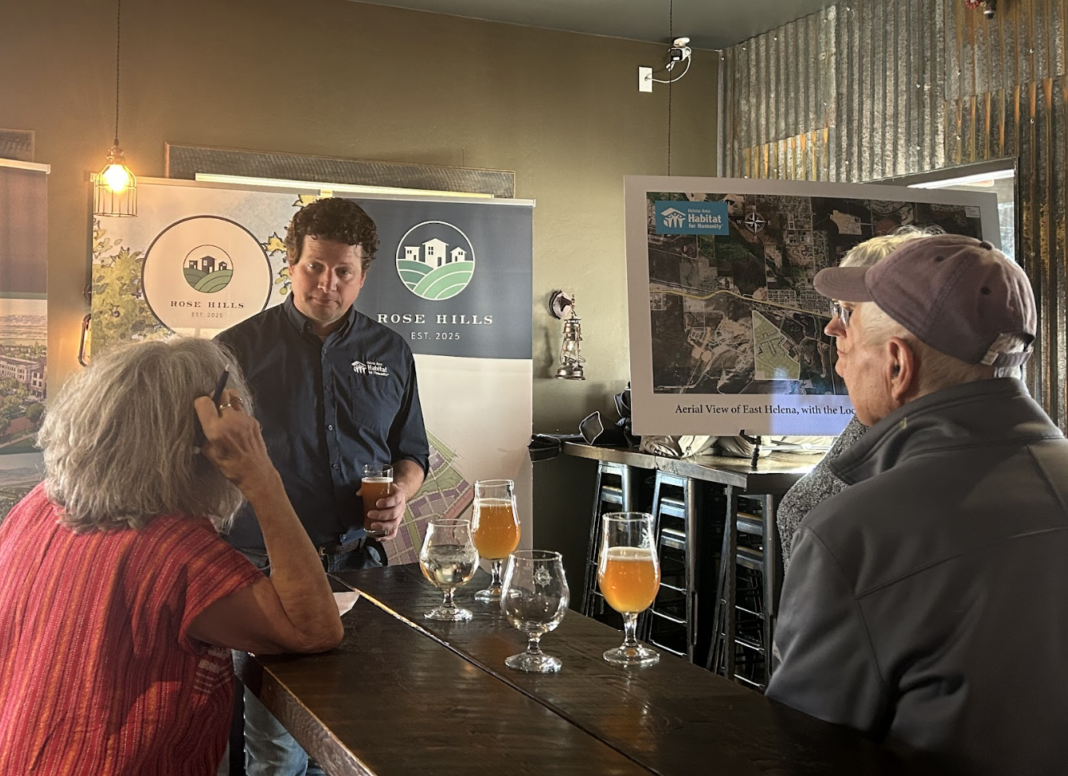
At Helena Area Habitat for Humanity, we are advancing our Rose Hills neighborhood in East Helena with that spirit in mind. Rose Hills will include over 1,500 homes designed around efficient land use, water conservation, and responsible infrastructure planning. The project demonstrates that growth can be thoughtful, sustainable, and aligned with conservation goals.
Rose Hills is designed with intention. Smaller lot sizes reduce overall water use. Open spaces preserve natural areas and create community gathering places. Mixed-income housing allows teachers, nurses, first responders, and service workers to live in the communities they serve. This is not growth for growth’s sake. It is growth that serves Montanans.
Housing costs in Montana have been rising steadily for years, accelerating sharply since 2020. That affects nearly everyone: renters, first-time homebuyers, and longtime residents whose property taxes have increased alongside home values. When housing becomes unattainable, it affects local economies and workforce stability.
Employers struggle to fill positions. Families are forced to leave the communities they love. At the same time, Montana faces real water and infrastructure constraints. These issues are not in conflict. They are two sides of the same question: how will we plan for Montana’s future in a way that protects our way of life?
There is a clear path forward. We can meet our housing needs while protecting our natural resources by planning wisely and working together. That means designing developments that use water efficiently, building compact and efficient infrastructure that will serve generations to come, and recognizing that housing and resource management are shared responsibilities.
We cannot allow fear or gridlock to halt progress when what is needed is thoughtful collaboration. The people of Montana deserve access to attainable housing and a healthy environment. The fulfillment of what some have called the “Montana Miracle” depends on our willingness to rise to this moment with ingenuity and unity.
Rose Hills demonstrates what is possible when we plan with care. It shows that Montana can grow in a way that honors our land and supports our people. Montana’s growth is not a problem to be solved. It is an opportunity to be shaped. If we choose cooperation over conflict and innovation over indecision, we can build a state that future generations will be proud to call home.
Jacob Kuntz is the Executive Director of Helena Area Habitat for Humanity. The Rose Hills development site is approximately four miles north of Montana City, in East Helena, along Montana Highway 282 just south of US-12.